Book an Initial Relationship Session →

Why Don’t Therapists Call Back? How to Get Mental Health Professionals to Respond

If you have tried to contact a therapist and heard nothing back, you are not alone and it is not personal. The reasons therapists do not respond to inquiries are structural and predictable, and knowing them changes how you reach out. This video, by a licensed therapist who has also been on the receiving end of those inquiries, explains the most common reasons mental health professionals fail to respond and what approach actually produces a reply.

Therapists don’t call back because phone calls rarely result in callbacks, and they’re overwhelmed with inquiries asking questions already answered on their websites. Instead, use their contact forms and describe your specific struggles and goals rather than asking about basic logistics.

The biggest mistake people make when contacting therapists is asking questions like “How much do you charge?” or “Do you take my insurance?” These details are typically listed on their website, and overwhelmed therapists without staff simply can’t respond to every basic inquiry. This creates the frustrating cycle where potential clients feel ignored while therapists struggle to manage their workload.

The solution is simple but effective: use the therapist’s contact form and follow this formula. Introduce yourself by name, briefly describe what you’re struggling with, and explain what you hope to achieve through therapy. For example: “My name is [Name]. I’m struggling with anxiety and relationship issues, and I’d like to work with a therapist to help develop better coping strategies and communication skills.” This approach shows you’re a serious potential client who has done basic research, making therapists much more likely to respond and schedule a consultation.

Read more

Why Asking ChatGPT About Your Marriage Won’t Fix Your Communication Problems (But This Will)

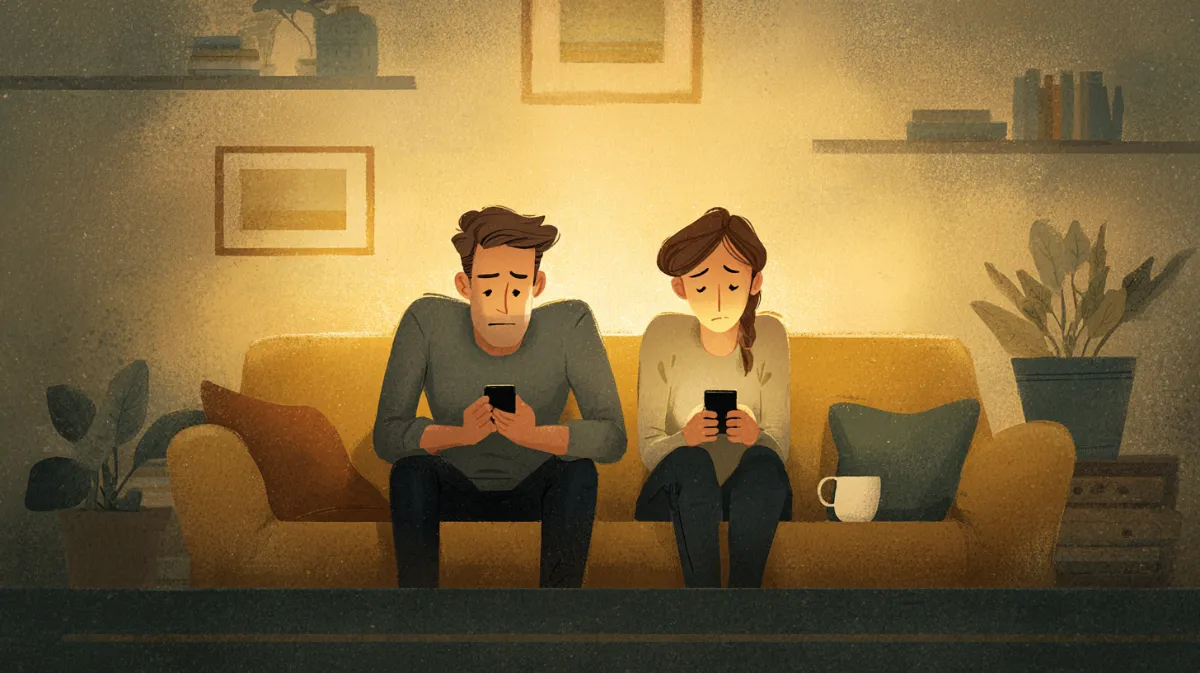
Couple sitting on a couch each looking at their own phone rather than at each other, representing digital disconnection in relationships

More couples than ever are bringing their relationship conflicts to ChatGPT, Claude, and other AI tools, drafting difficult messages, analyzing their partner’s behavior, or looking for validation. Most of them are making their communication problems worse, not better. This article, written from a Gottman Method clinical perspective, explains the specific ways AI relationship advice backfires and what couples therapy research actually shows about how communication patterns change.

Read more

Relationship Red Flags and Warning Signs in Modern Relationships

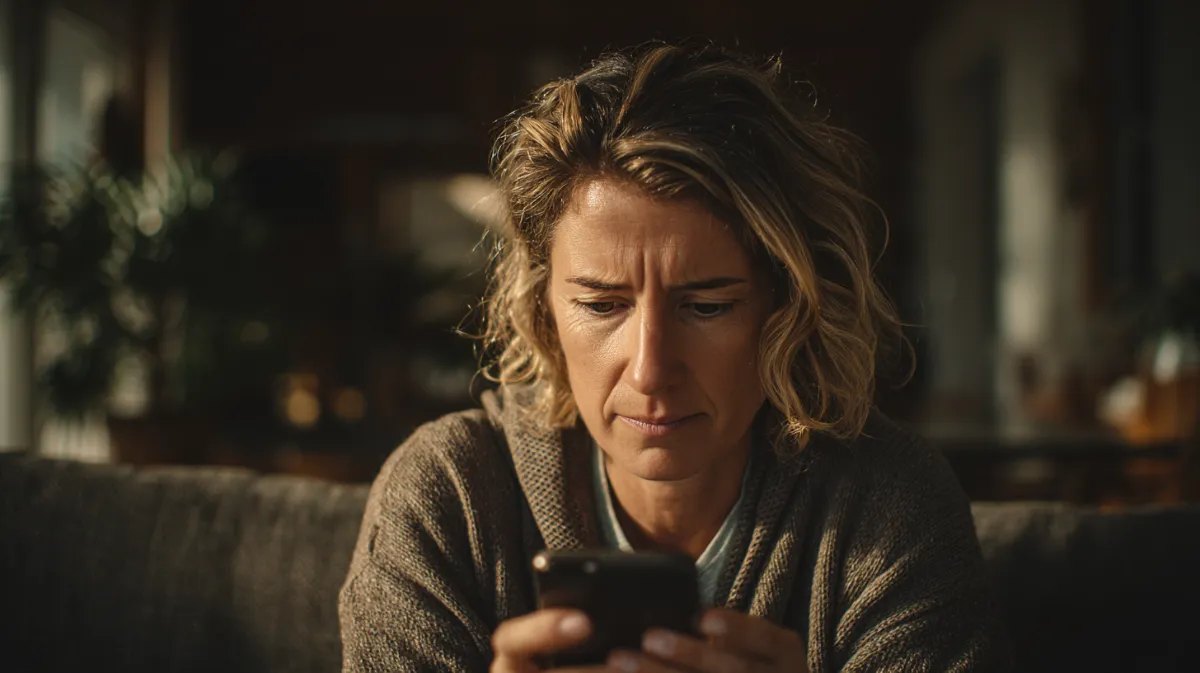
Person reviewing text messages on a phone with a furrowed brow and uncertain expression, sitting in a quiet living room

The term ‘red flags’ has become so overused that it now covers everything from serious abuse patterns to minor personality quirks. That dilution matters because the flags that actually predict long-term relationship failure are often subtler than the ones people talk about online. This article cuts through the noise and explains which relationship warning signs the research actually links to failure, why the less obvious ones are often more predictive than the dramatic ones, and what distinguishes a fixable problem from a fundamental incompatibility.

Read more

The No-Nonsense Guide to Improving Your Relationship: The 5:1 Ratio Unpacked

Couple laughing together while cooking in a kitchen, representing the positive interactions Gottman's 5:1 ratio describes

The 5:1 ratio is one of the most cited findings in relationship research, and one of the most misunderstood. The idea that stable couples maintain five positive interactions for every negative one sounds simple. But most people who try to apply it misread what counts as positive, when the ratio matters most, and why the math looks very different during conflict than during a normal day. This article explains what Gottman’s research actually found and what couples get wrong when they try to put it into practice.

Read more